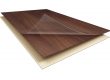

SPC flooring has gained it’s popularity in the flooring world. There are many contributing issues towards it’s popularity, including long history of SPC flooring, way of manufacturing and the amazing features.
But it is undeniable that one of the contributing reason to it’s popularity being the straightforward routine to clean and maintain. SPC flooring can be very long lasting, even up to 20 years as long as it is well-maintained. And if you’ve ever wondered what you can do to extend your SPC flooring lifespan, here’s everything you need to know.
1. Sweep Frequently
You may sweep the floor using a regular broom, or go for the tech savy method by using brushless vacuum and electric broom. One particular tool you should avoid using while sweeping your SPC floor is the beater bars of your vacuum as it tends to damage the coating.
So how often should you sweep your floor?
Sweep at least once a week to remove any dust and loose dirt. If you have time, it is a good idea to briefly sweep the floor across the room each time after use.
2. Mop Occasionally
To better keep your flooring clean and stain-free, use damp cloth or mop and clean thoroughly with mild or neutral pH solution to remove stains.
Do not risk using multi-surface cleaners, bleach, detergent, strong abrasive cleaning agents like organic-solvent, ammonium or alcohol based detergent to mop your floor.
Unlike laminte flooring, SPC flooring is made of water resistant material. So it will not have warping or swelling issues like laminate flooring do. Learn more at ‘Laminate vs. SPC Flooring: Which Is Better? This Will Help You Decide!’
However, bear in mind that you should not mop too often to avoid dulling the tiles’ shine. Over mop your SPC flooring weaken the adhesive as water seeps in between.
By saying that, you should also avoid flooding with excessive amount of water when mopping. Water that penetrate through the joining and edges may also encourage growth of molds.
3. Combat Spill Promptly
Not sure what is the efficient way of doing it?
It’s pretty simple. Just use a clean, white cloth to wipe off the spillage and rinse with water. Be sure to wipe the area dry once you’re done.
However, some stubborn stains are more difficult to get rid of. They can be tackle in a few different ways…
…To remove common stains like juices, red wine, food and grease you may want to use SPC flooring cleaning agents that are recommended by your flooring supplier.
If you happen to have tough stains caused by marker pen, paint or lipstick, here’s what you can do:
Get a piece of clean, white cloth and dampen it with isopropyl alcohol or mineral spirit. Wipe the stain and dry the area.
Harden stains like crayon, candle wax and even bubble gum can be remove by using ice to brittle the stains a little before gently scraping it off with plastic scraper.
You may also use credit card or any non-abrasive plastic material to scrape it. Do not use steel wool and scouring powder as this will damage the surface and make it looks dull.
4. Say ‘No’ To Steam Cleaning
The hot steam is actually doing more harm than good to SPC flooring. It is so serious that some damage that it causes are beyond repair.
Let’s look at the reasons why steam cleaning your SPC floor is the worse of all.
As steam cleaner is sanitizing your floor, the steam vapor that is generated can reach up to more than 90 degree celsius in order to kill germs and bacteria.
This excessive heat together with the moisture that seeps in the joining and edges of your SPC flooring can weaken the adhesive bonds and layers of your plank or tile structure. Not just that, it will also cause issues like warping, edge cupping, bending and bubbling of floor plank.
Needless to say, the damage caused by steam cleaner is normally not covered under warranty. So why put your floor under such risk? Just skip steam cleaning in your routine for a longer lasting SPC floor.
5. Minimize Dirt
Here’s one of the most effective way to reduce dirt: Simply adopt the ‘no shoes’ policy. This can further eliminate possible dirt from outdoor and maintain SPC floor hygiene at the same time.
Place mats, rugs or runners at high traffic area is another way to reduce dirt on your floor. Be careful when selecting mats as you want to avoid placing mats made out of materials like coco-fiber, pigmented rubber or latex-backed which will damage your floor surface.
6. Reduce Abrasion
Protect your SPC flooring with quarter-inch plywood, hardwood panelling when moving furniture to prevent scratches and scuff marks. You may place non-staining protector under your movable furnitures like chairs, couches, cabinets and tables to further prevent any dent.
To be on the safe side, get ready with hardboard runway whenever you move large furnitures and heavy appliances to protect your flooring.
If you are a pet lover, do watch out as animal’s claws will also leave scuff marks on your floor. Trimming of nails and claws of your pet regularly will help minimize potential scratches. It’s also common sense to avoid using abrasive scrubbing tools on your SPC flooring.
7. Choose The Suitable Flooring Protectors
What you should be looking for here is the materials used in protectors.
Most rubber mats or protectors contain antioxidant compound to make it last longer without becoming brittle. This antioxidant compound however will form chemical reaction when contact with SPC flooring and results in yellowish stain, a.k.a “antioxidant staining”.
Besides yellowish stain, you also want to avoid using non-color fasting protectors where the color on it will eventually stain on your floor.
As a precaution step, spend some time checking the material of protectors, rubber mats, door stoppers and rubber backed rugs while you shop. Make sure you purchase only non-staining, non-pigmented or colour fasting products, be it rubber, nylon or felt.
As a general rule of thumb, you will need a wider floor protector for larger sized furniture. So that weight can be distributed evenly. Here’s a tip for you: Keep your protector in good condition by cleaning regularly and replace a new protector once it’s worn out.
8. Diluted Vinegar Solution
9. Apply SPC Floor Polish
- First sweep the floor to remove any debris and dust.
- Mop it to remove stains
- Follow the polish instructions to start polishing your floor.
10. Close The Curtain
11. Floor Cleaner Solution
Bear in mind that it’s not always the more the better. Right amount of solution used is important in protecting the surface layer and prevent dulling. You may also want to avoid using oil-based, wax or pigmented cleaner agents.
12. Floor Waxing
Speaking of this, you should never try waxing yourself with products like paste wax.
If you are planning to polish or wax your floor, it is much safer to seek for professional advice and services. Trust me, you would definitely want to spend the money on professional waxing rather than replacing a new set of flooring if it’s damaged by diy waxing.
13. Hire Flooring Professionals
14. Add Up Extra Coat Of Flooring Protection
What should you do? Add on another coat of finishes as part of your maintenance routine to extend your flooring lifespan.
15. Scratch And Scuff Repair
Look for any recommended removal products by your flooring supplier to help remove scratches and scuffs. It normally works effectively on light scratches. After applying removal, just finish up wiping the area with damp cloth or mop.
There’s another option where you can cover up the scratches or small cracks with paint using the following steps:
- Wipe the scratches or cracks with mild soapy water and dry thoroughly.
- Apply oil-based primer on the scratches using paintbrush. The layer of primer must be thin.
- Let the layer of primer dry for two hours minimum before cover up with oil-based paint.
- Use paint that matches the color of your flooring and paint tediously with light strokes.
- When the paint is dry, finish up with a layer of clear epoxy sealer on top for extra protection and level.
- Remember to isolate the area for at least 24 hours after the repair job.
16. Stay Away From Direct Heat
So the next time when you are handling high heat items, make sure you support hot surface with rugs or mats without direct contacting your SPC floor.
17. Cleaning After Installation
Normally, it takes time for the adhesive under the planks to dry and bond firmly. It is recommended to isolate the area at least 48 hours and some even take up to a few days, depending on the type of adhesive used.
What’s Next?
Your Trustworthy Flooring Installation Expert!
Get a quotation from us for FREE!
Let our experienced flooring consultant help you with flooring that best fit your house.
We Offer Affordable Flooring Perfect For Your Living